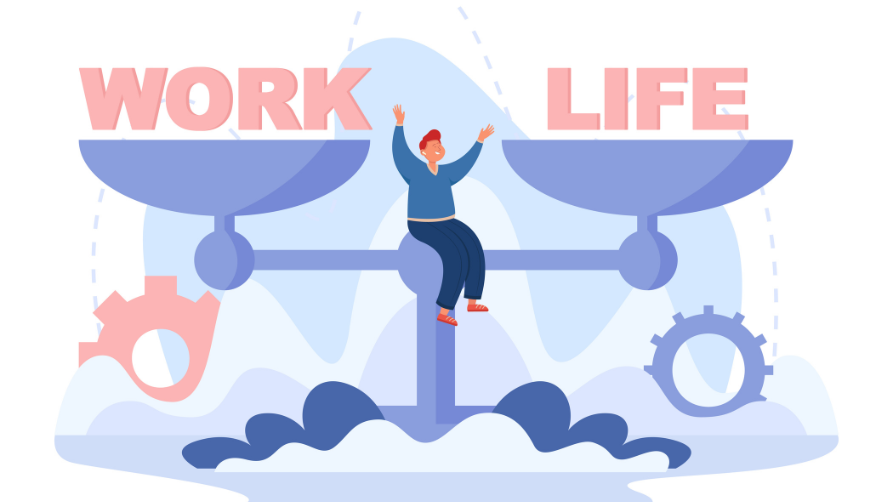
You know the specific tightness in your chest when you are standing at the departure gate after a board meeting or before an investor presentation. It isn’t the fear of missing a flight; it is the fear of missing a moment. You lead teams, close strategic deals, and make decisions that move markets. Yet inside, a quiet voice asks the question that follows many high-performing women: “Does my success come at their expense?”
Let’s take a deep breath. The guilt you feel is not evidence of failure; it is evidence of attachment. But guilt is a poor strategist. It tells you that “good mothering” requires constant physical proximity and total self-sacrifice.
That narrative is outdated.
Your ambition is not a threat to your children. It is a blueprint.
They are not harmed by seeing you build; they are shaped by it.
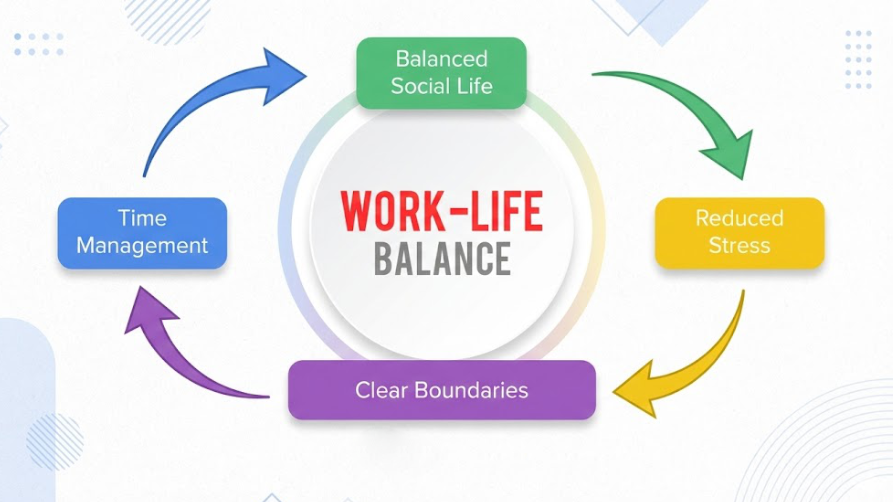
Quality Over Quantity: The Science of Attachment and Working Moms
There is a widespread myth in our culture that secure attachment is built on the number of hours logged in the same room. However, psychology and neuroscience tell us a different story. Children are not clock-watchers; they are energy-readers. They measure love by attunement, not attendance.
Research consistently shows that the quality of the interaction matters far more than the sheer quantity of time. Consider the difference between four hours of « distracted presence » where you are physically in the living room but mentally resolving a crisis on Slack, versus twenty minutes of deep, eye-to-eye connection where the rest of the world disappears.
The former creates anxiety for both you and your child; the latter builds a profound sense of safety. When you release the pressure to be « always on, » you create space to be « fully in. » It is about making the moments you do have count so deeply that they sustain your bond even when you are miles away.

The Golden Rule of Asset Management: Investing in Yourself
As a founder, you know that you must maintain your business assets; your servers, your finances, your team. Yet, you likely treat your most valuable asset—yourself—with total neglect. You run on caffeine, adrenaline, and leftover scraps of time, thinking this is « noble. »
It is not noble; it is dangerous.
If you are depleted, you have nothing to give to your business or your family. You cannot pour from an empty cup, and you cannot lead from a place of exhaustion.
- Reframing Self-Care: Stop thinking of « Me Time » as a luxury. Think of it as Operational Maintenance.
- The Strategy: You need 30 minutes a day that belongs to neither the company nor the family. This is your « Recharging Dock. » It could be a run, reading a book, or sitting in silence. When you prioritize your own joy and mental health, you return to your children as a mother who is vibrant and happy, not present but resentful.
How to Stay Emotionally Connected When You Travel for Work
The hardest part of traveling isn’t the distance; it’s the narrative we build around it. If you sneak out or apologize for leaving, you inadvertently teach your children that work is the « bad guy » stealing Mommy away. To integrate your business and your heart, you must change the story and create « Rituals of Connection » that bridge the gap.
Reframe the Departure: Instead of saying, « I’m sorry I have to go, » try saying, « I’m going to build something amazing, and I can’t wait to come back and tell you about it. » This models passion and shows them that a woman can love her family and her dreams simultaneously. Create « Object Permanence » for Your Love: Leave a physical piece of you behind. It could be a « love note » hidden in their lunchbox for every day you are gone, or a specific « magic rock » or bracelet they hold when they miss you. This psychological support helps them feel held by you, even when they cannot see you.
Stopping the « Second Shift »: Transitioning From CEO to Mom Mode
One of the biggest sources of burnout for female founders is the lack of a « psychological airlock » between the boardroom and the living room. You walk through the front door, physically home, but your brain is still processing Q3 strategy or a difficult client call.
Your body is present, but your nervous system is still in « fight or flight » mode. This makes you feel reactive, or exhausted when your kids run to greet you. To solve this, you must engineer a transition ritual that signals to your brain that the workday is done.
This might mean taking five minutes in the car to breathe deeply before entering the house, or immediately changing out of your work clothes into something softer. Most importantly, implement the « Phone Box Rule »: when you walk in, your phone goes into a designated drawer for the first hour. This physical boundary signals to your children that the Leader has rested, and the Mother has fully arrived.
Leveling Up Your Leadership
Sometimes, the chaos we feel at home is actually a symptom of the pressure we are carrying from work. If you feel like you have to control everything yourself, that anxiety inevitably bleeds into your family life. True leadership is about trust, trusting your team to handle the business so you can handle your life.
If you are ready to evolve from a manager who « does it all » to a visionary who leads with clarity (and creates more mental space for family), read our deep dive on The Next Level of Leadership: Growing Beyond Competence.
The Mindfull Takeaway: You don’t have to choose between a thriving empire and a happy home. But you do have to choose between guilt and growth. Your children don’t need a perfect mother who is always there; they need a happy mother who projects purpose and love, no matter where she is on the map.